Starting a Herb Garden for Beginners: Basil, Mint, Rosemary, and More
A small herb garden — whether in a raised bed, a row of pots on a south-facing windowsill, or a dedicated section of a vegetable plot — is one of the most practical additions to a Polish home garden. Culinary herbs have short production cycles, tolerate container conditions well, and can be harvested repeatedly throughout the growing season without replanting.
Choosing Herbs for Polish Conditions
Culinary herbs divide roughly into tender annuals — those killed by frost — and hardy perennials that survive Polish winters outdoors. The two groups require different management strategies.
Tender Annuals (treat as annuals in Poland)
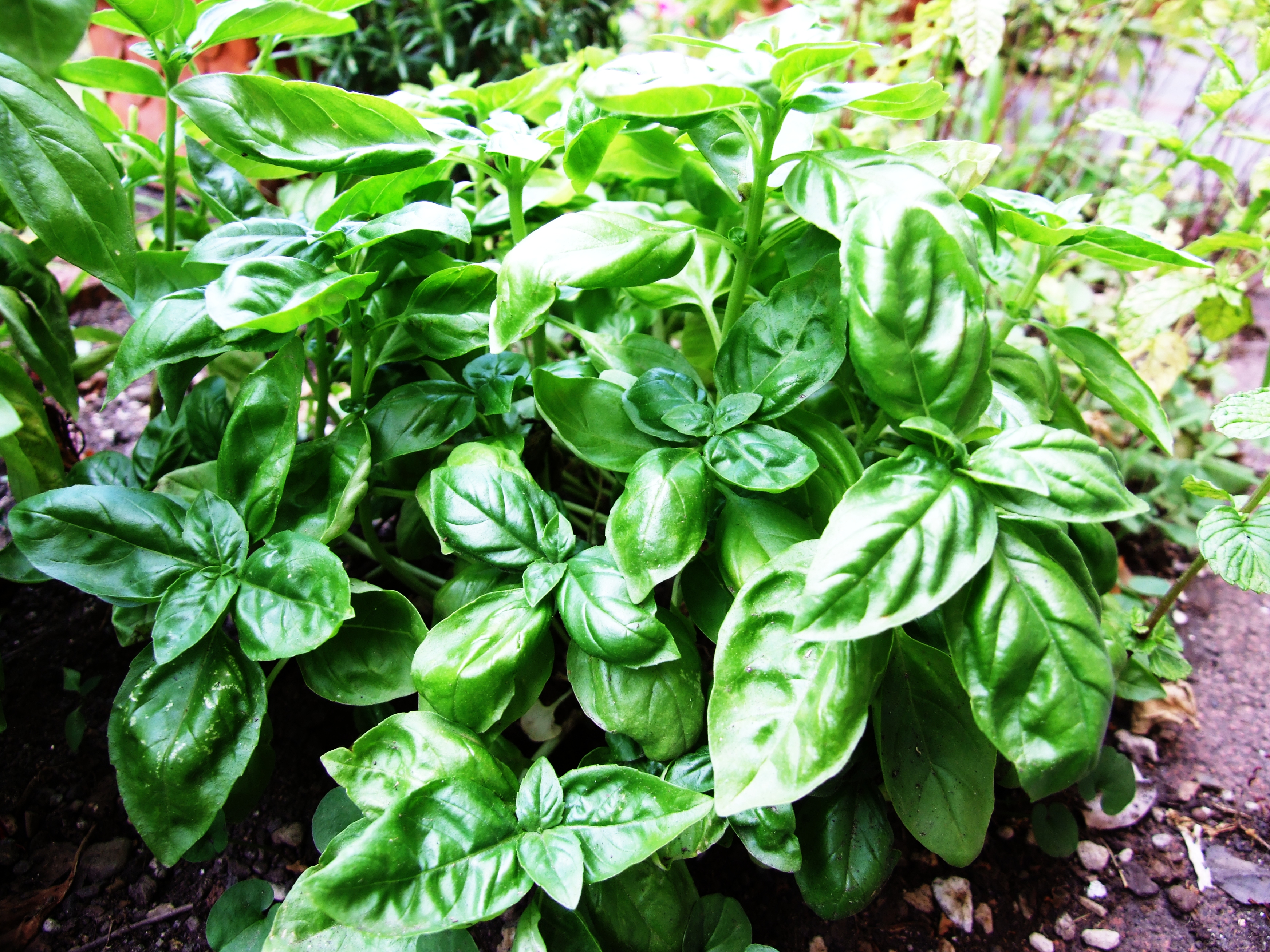
- Basil (Ocimum basilicum) — frost-sensitive; do not transplant outdoors until late May. Requires 6+ hours of direct sun and consistent warmth. Even a cold night below 8°C causes leaf blackening.
- Coriander/Cilantro — germinates quickly from direct sow in April–May. Bolts to seed in hot, dry conditions; best as a succession crop sown every 3 weeks.
- Dill — direct sow from April. Grows rapidly; harvest young leaves before the plant flowers. Self-seeds freely if allowed to set seed.
Hardy Perennials (overwintering outdoors in most of Poland)
- Mint (Mentha spp.) — hardy to USDA zone 4–5; survives Polish winters easily. Spreads aggressively by underground runners — grow in a separate container or install a root barrier in beds.
- Chives (Allium schoenoprasum) — fully winter-hardy; the first herb to produce usable leaves in early March after snow melt.
- Lemon balm (Melissa officinalis) — hardy perennial; dies back in winter and regrows vigorously in spring. Can become invasive.
- Lovage (Levisticum officinale) — hardy, tall perennial reaching 1.5–2 m; traditional in Polish cuisine. One plant generally provides more than a household needs.
Semi-Hardy Perennials (require protection or indoor overwintering)
- Rosemary (Salvia rosmarinus) — hardy to approximately -15°C in dry conditions, but Poland's wet winters can cause root rot at milder temperatures. Container growing with indoor overwintering from November is the most reliable approach in central and northern Poland.
- Thyme (Thymus vulgaris) — more winter-hardy than rosemary; standard garden thyme generally survives in well-drained soil with minimal snow cover protection. A covering of dry straw or fleece during the coldest weeks reduces losses.
- Sage (Salvia officinalis) — similar to thyme; hardy in zones 5–6 with some protection. Cut back by one-third in autumn, not into old wood.
- Parsley — biennial; direct sow in April or start indoors in March. First-year plants produce leaves through autumn; second-year plants bolt early. Treat as an annual for consistent leaf production.
Soil and Container Requirements
Most Mediterranean-origin herbs (rosemary, thyme, oregano, sage) prefer well-drained, relatively low-fertility soil. In Polish clay or loam garden beds, add coarse horticultural grit at 20–30% by volume to improve drainage. Avoid high-nitrogen fertilisers for these species — excess nitrogen produces lush, low-flavour foliage.
Moisture-loving herbs — mint, lemon balm, chervil, Vietnamese coriander — perform well in standard potting compost with consistent watering. These tolerate partial shade better than the Mediterranean group.
Container minimum sizes by herb type:
| Herb | Min. Pot Diameter | Min. Depth | Notes |
|---|---|---|---|
| Basil | 15 cm | 15 cm | Do not overwater; allow surface to dry slightly |
| Mint | 20 cm | 20 cm | Restrict roots or plant spreads uncontrollably |
| Rosemary | 25 cm | 25 cm | Terracotta dries faster — good for drainage |
| Thyme | 20 cm | 15 cm | Shallow roots; prefers terracotta or unglazed ceramic |
| Chives | 15 cm | 15 cm | Can share a pot with parsley |
| Parsley | 20 cm | 25 cm | Deep taproot; avoid transplanting |
Sowing and Planting Times
The following schedule applies to central Poland (around Warsaw, Łódź, Wrocław). Northern and northeastern regions shift later by 1–2 weeks; southwestern areas (Silesia, Lower Silesia) can start 1 week earlier.
- February–March: Start basil, parsley, and chives indoors under grow lights or on a heated propagation mat.
- April: Direct sow dill, coriander, chervil outdoors into prepared beds once soil temperature reaches 8°C. Start rosemary and thyme cuttings or divisions indoors.
- Late May: Transplant basil and other frost-tender herbs outdoors. Plant out rosemary, thyme, and sage if hardening-off is complete.
- June–August: Succession-sow coriander and dill every 3 weeks. Continue harvesting perennials. Pinch basil flower buds as they form to extend leaf production.
- September: Take cuttings of rosemary and thyme for indoor overwintering stock. Pot up mint divisions before first frost if container growing through winter.
- October–November: Bring tender perennials (rosemary, lemon verbena) indoors before nighttime temperatures drop below 0°C consistently.
Harvesting Without Stressing the Plant
The standard rule for harvesting leafy herbs is to remove no more than one-third of the total plant material at one time, and to cut stems rather than individual leaves where possible. This encourages branching growth and extends the productive period.
For basil specifically, pinch out the growing tip and any flower buds as soon as they appear. Once basil begins flowering, leaf production slows and flavour changes. Consistent pinching from the top down keeps the plant productive through August.
Chives can be cut down to 3–4 cm above the soil several times per season and will regrow within 3–4 weeks. Mint similarly tolerates hard cutting; shear back to 5 cm after the first summer flush for a second growth cycle.
Overwintering Herbs Indoors
Rosemary and tender herbs moved indoors for winter need a cool, bright spot — not a heated living room. Ideal indoor overwintering conditions are 8–12°C with 4–6 hours of light. A cool stairwell, unheated spare room with a south-facing window, or a frost-free garage with supplemental grow light all work.
Reduce watering frequency significantly from October through March. The most common cause of overwintered rosemary dying in Polish homes is overwatering in warm, dry indoor air combined with insufficient light — the plant cannot process water without adequate light.
External Reference
The Royal Horticultural Society maintains an extensive herb growing database at rhs.org.uk/herbs with species-specific guidance on cultivation and propagation.