
Growing Tomatoes in Poland: A Season Guide
Choosing the right varieties for USDA hardiness zone 6–7 conditions, starting seedlings indoors in February, and managing blight through Poland's humid summers.
Read articlePractical, season-by-season guidance for cultivating tomatoes, herbs, root vegetables, and more in Polish garden beds and containers.

Latest Articles
In-depth articles covering soil preparation, planting schedules, and harvesting techniques suited to Poland's climate.
Choosing the right varieties for USDA hardiness zone 6–7 conditions, starting seedlings indoors in February, and managing blight through Poland's humid summers.
Read article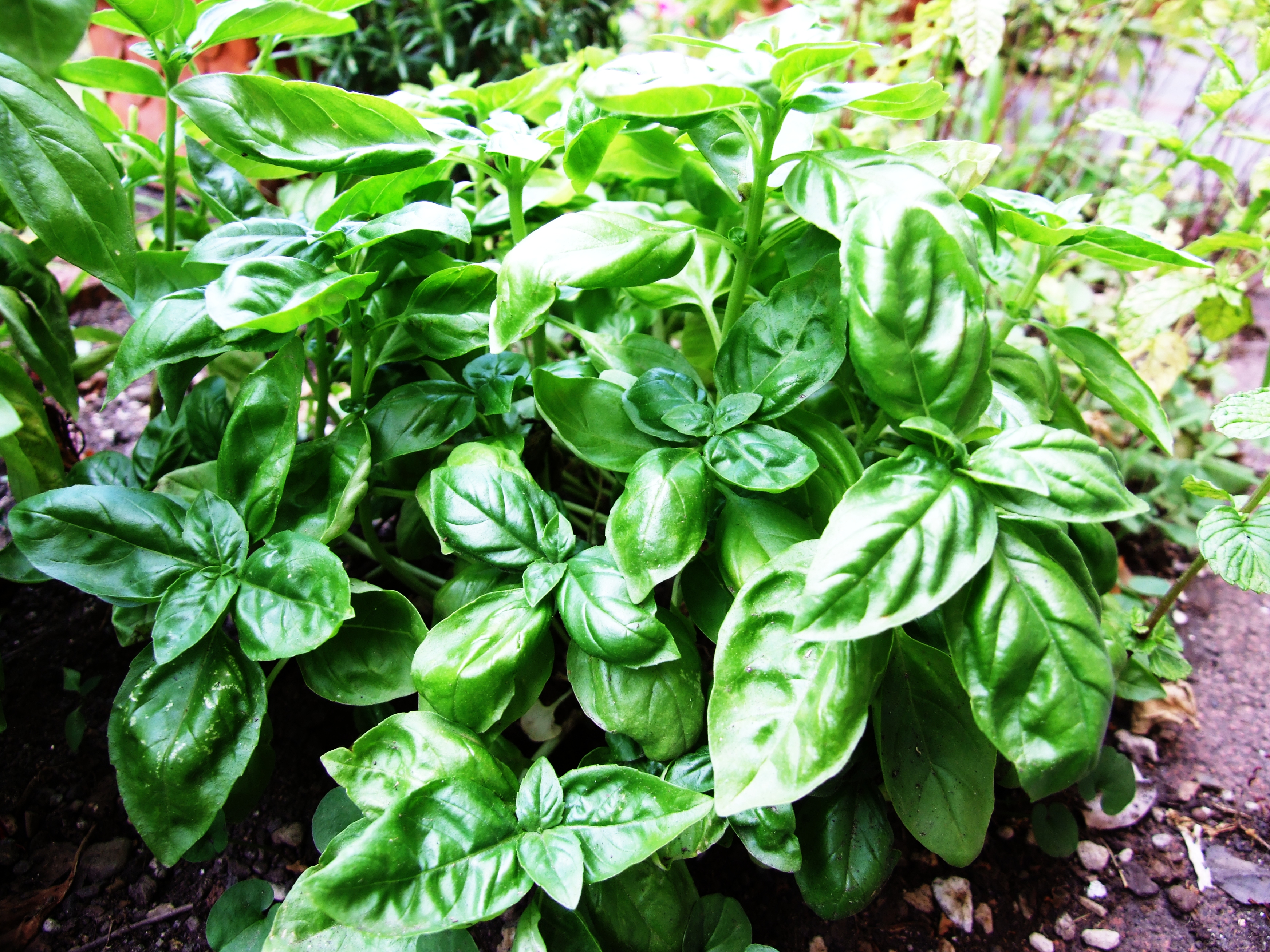
Basil, mint, rosemary, and parsley grown from seed or transplant — with notes on overwintering tender herbs indoors during Polish winters.
Read article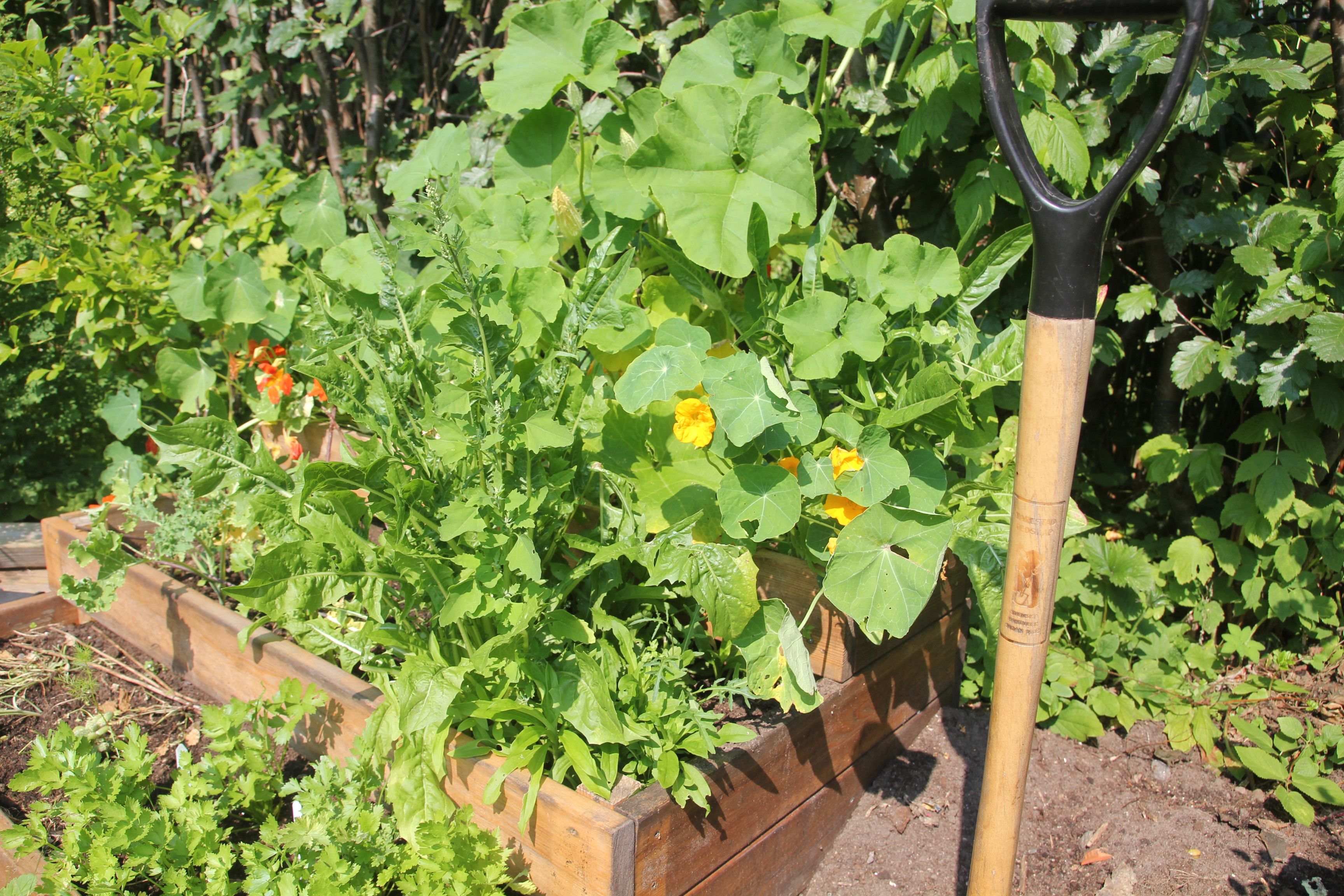
Building dimensions, soil mix ratios, drainage considerations, and crop rotation planning for raised beds on balconies and in garden plots.
Read articleWhy Raised Beds
In Poland's clay-heavy lowland soils, raised beds warm up several weeks earlier in spring than in-ground plots. A standard 30 cm depth of amended soil — typically a mix of compost, topsoil, and perlite — supports most annual vegetables through the May–September growing season.
Reference guidelines from the Polish Institute of Horticulture (Instytut Ogrodnictwa) suggest that soil temperature at 10 cm depth should reach at least 12°C before transplanting warm-season crops like tomatoes or peppers outdoors.

Key Topics
Adjusting pH, adding organic matter, and preparing beds for Polish spring conditions from March onward.
Month-by-month guides aligned to Poland's continental climate — late frosts in April, warm July–August peak, early September cool-down.
Drip tape setup for raised beds, soaker hose positioning, and hand-watering frequency during dry Polish summers.
Minimum pot volumes, lightweight soil mixes, and wind protection strategies for apartment balconies in Polish cities.
Common issues in Polish gardens — late blight on tomatoes, clubroot in brassicas, aphid pressure — and non-chemical management approaches.
Harvest Reference
Approximate days from transplant or direct sow to first harvest under typical Polish outdoor conditions.
| Crop | Start Method | Days to Harvest | Notes |
|---|---|---|---|
| Tomato (indeterminate) | Transplant | 65–85 | Start indoors in February |
| Zucchini | Direct sow or transplant | 45–55 | After last frost (mid-May) |
| Carrot (Nantes type) | Direct sow | 70–80 | Best in loose, deep soil |
| Basil | Transplant | 25–30 | First pinch; keep warm |
| Radish (spring) | Direct sow | 22–28 | March–April outdoors |
| Cucumber (bush) | Transplant | 50–60 | Needs trellis or cage |
| Lettuce (leaf) | Direct sow | 30–45 | Cut-and-come-again |