The Complete Raised Bed Vegetable Guide for Polish Gardens
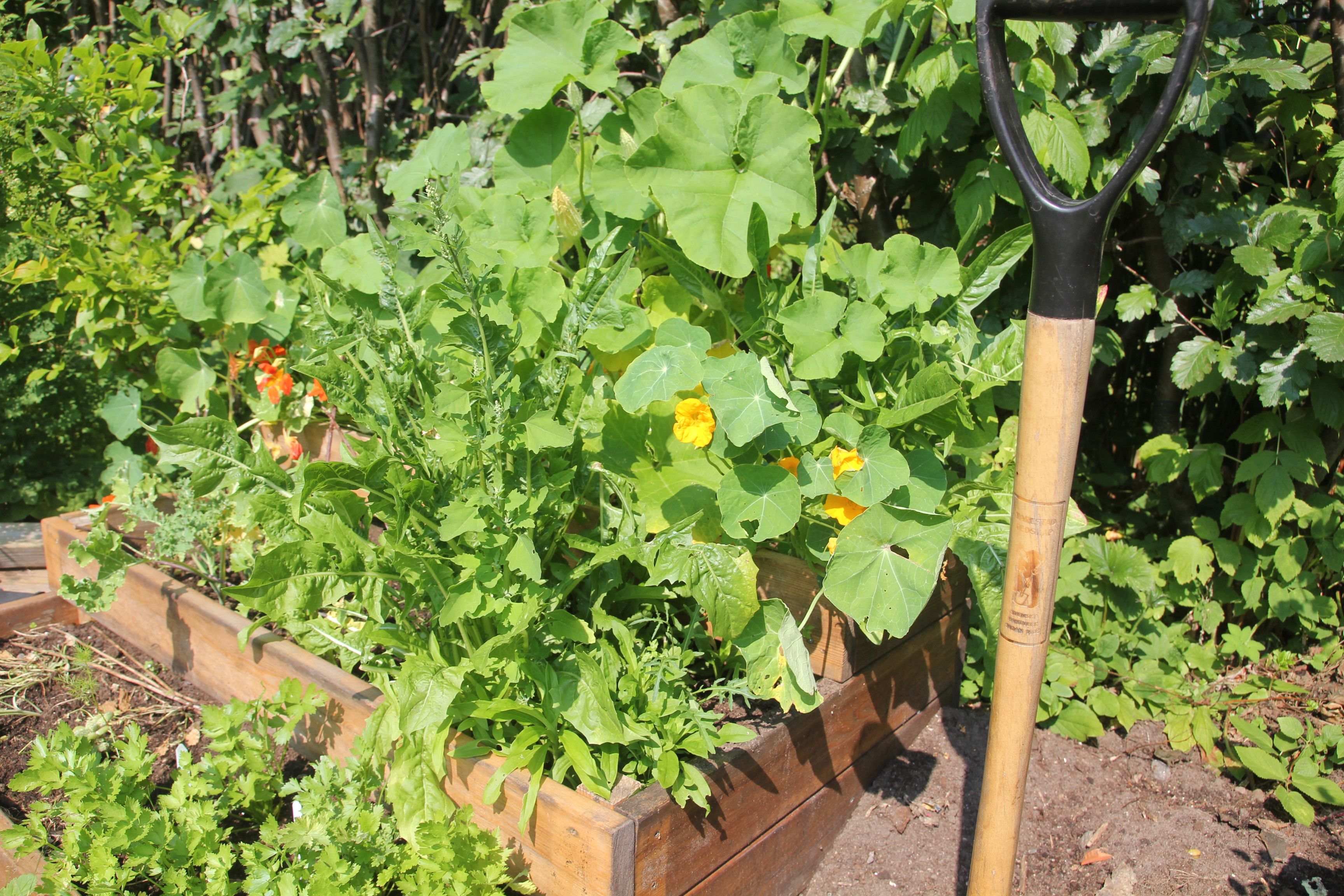
Raised beds are a practical solution for the compacted clay soils common in Polish residential gardens. By controlling the growing medium entirely, gardeners can sidestep local soil problems, extend the season by 2–4 weeks in spring, and manage water and nutrients with greater precision than in-ground cultivation allows.
Dimensions and Placement
The most commonly cited width for a raised bed is 1.2 m (approximately 4 feet), which allows an adult to reach the centre of the bed from either side without stepping into the growing area. Beds wider than 1.5 m make maintenance difficult and tend to lead to soil compaction over time.
Length is less constrained — beds of 2.4 m, 3 m, and 4 m are common. From a practical standpoint, beds longer than 4 m can create inconvenient routing around the garden; a series of shorter beds with 50–60 cm paths between them is more functional.
Height determines root depth available and affects how much the bed warms up in spring. Common options:
- 15–20 cm: Suitable for shallow-rooted crops — lettuce, radish, spinach, herbs. Low material cost. Warms up fastest.
- 25–30 cm: The most versatile depth, supporting the majority of vegetable crops including tomatoes, courgette, and root vegetables in lighter mixes.
- 40–50 cm: Deep-rooted crops (carrots, parsnips, beetroot) perform best at this depth in raised mix. Significantly higher material cost.
Site selection: place beds where they receive at least 6 hours of direct sun per day. In Polish gardens, a south or southwest orientation is ideal. Avoid placing directly under deciduous trees — root competition and falling debris cause ongoing problems.
Materials for Bed Construction
The most common materials in Polish gardens, in order of approximate cost and longevity:
- Untreated pine or spruce boards — Low cost, widely available at Polish building suppliers (e.g. Merkury Market, Leroy Merlin). Typically 38 mm thick planks. Lifespan in ground contact: 4–7 years without treatment. Avoid pressure-treated wood unless labelled as food-safe.
- Larch or Douglas fir — Naturally more rot-resistant than pine. Costs roughly 30–50% more but can last 10–15 years.
- Oak — Very durable, 20+ year lifespan, but significantly more expensive and heavy. Requires pre-drilling to prevent splitting.
- Corrugated galvanised steel — Increasingly popular for balconies and urban gardens. Lightweight relative to its volume, durable, and available in various heights from Polish metal suppliers. Can heat up quickly in direct sun, which in hot Polish summers may stress roots near the sides.
- Concrete blocks or breeze blocks — Permanent installation; high thermal mass. Suitable for garden plot perimeter beds where aesthetics are secondary to permanence.
Do not use railway sleepers treated with creosote — the treatment can leach into soil at levels problematic for edible crops. Modern sleeper-style timber boards marketed for garden use are typically treated with safer preservatives; check the product data sheet.
Soil Mix for Polish Raised Beds
Filling a raised bed with native garden soil alone defeats the purpose — it typically compacts, drains poorly, and may carry weed seeds and soil-borne pathogens. A standard mix for productive Polish raised beds:
- 50% topsoil — screened, not clay-heavy subsoil. Available from landscape suppliers in 1 m³ bulk bags.
- 30% mature compost — home compost or commercial bagged compost. Provides organic matter, nutrients, and microbial activity.
- 20% perlite or coarse horticultural grit — improves drainage and prevents the mix compacting over time.
For a 1.2 m × 2.4 m × 0.3 m bed, the total volume is approximately 865 litres (0.865 m³). A pre-mixed "raised bed compost" product from Polish garden centres (typically sold in 50-litre bags at outlets like Castorama or OBI) can supplement or replace the topsoil component, though cost at scale makes bulk ordering more economical.

Irrigation Setup
Raised bed mixes dry out faster than in-ground soil, particularly in the warm, periodically dry Polish summers of July and August. Two practical irrigation approaches:
Soaker Hose
A soaker hose laid along the base of the bed (at soil level, covered with a thin mulch layer) delivers water slowly and directly to the root zone. Connect to a garden tap with a simple timer for consistent moisture without manual watering. Soaker hoses degrade over 3–5 seasons in UV exposure; store indoors in winter.
Drip Tape
Drip tape emitters spaced 20–30 cm apart along a thin flat tube are more precise than soaker hose for row crops. Available from Polish agricultural supply companies; requires a filter at the tap connection to prevent emitter clogging. Drip tape is typically single-season use in commercial settings but can last 2–3 seasons with careful handling in home gardens.
Mulching the soil surface with a 5 cm layer of straw, wood chip, or grass clippings reduces evaporation by roughly 30–50% and suppresses annual weed germination.
Crop Rotation in Raised Beds
Rotating crops between beds each season reduces the build-up of soil-borne pathogens and avoids nutrient depletion specific to one plant family. A four-bed rotation system is practical for most Polish home gardens:
| Bed | Year 1 | Year 2 | Year 3 | Year 4 |
|---|---|---|---|---|
| A | Solanaceae (tomato, pepper) | Legumes (beans, peas) | Brassicas (cabbage, kale) | Root veg (carrot, parsnip) |
| B | Legumes | Brassicas | Root veg | Solanaceae |
| C | Brassicas | Root veg | Solanaceae | Legumes |
| D | Root veg | Solanaceae | Legumes | Brassicas |
A fifth bed dedicated to perennial herbs — thyme, chives, mint (in a contained section), sage — removes them from the rotation cycle and prevents disruption to the annual vegetable schedule.
Seasonal Bed Maintenance
Autumn Preparation
After final harvest, remove all crop debris. Add a 5–8 cm top-dressing of compost and incorporate it lightly into the top 10 cm. Plant a winter cover crop (Phacelia, winter rye, or field beans) if the bed would otherwise sit bare through December–February — bare soil loses structure and nutrients over winter.
Spring Preparation
In early April, remove or cut down winter cover crops before they set seed. Allow the bed to warm for 1–2 weeks before sowing cool-season crops (spinach, radish, lettuce, onion sets). A single top-dressing of balanced granular fertiliser (e.g. NPK 5-5-5) at label rate in spring is sufficient for most vegetables; avoid over-applying nitrogen to root vegetables, which encourages foliage at the expense of roots.
External Reference
The National Gardening Association (NGA) in the United States provides freely accessible raised bed planning tools and soil calculators at garden.org. While oriented to US climate zones, the structural and soil guidance applies directly to Polish garden conditions.